
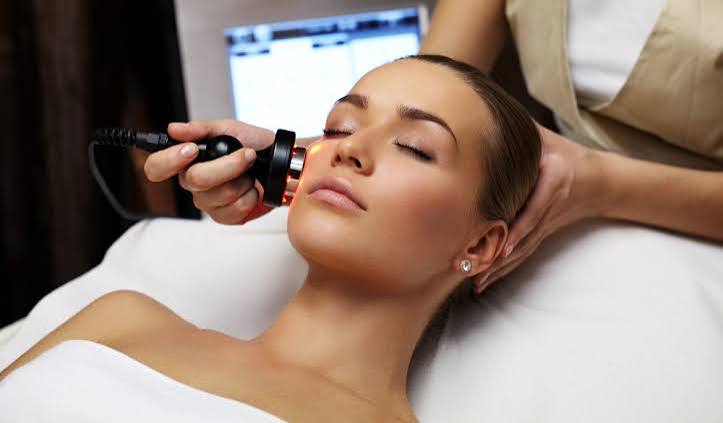
Healthy, smooth, and youthful-looking skin is something many people want to maintain. However, factors such as ageing, sun exposure, pollution, acne scars, and uneven skin tone can gradually affect skin quality. Fine lines, wrinkles, pigmentation, and rough texture are some common concerns that may become more noticeable over time.
Laser skin rejuvenation is a dermatological procedure that uses focused light energy to improve the appearance and texture of the skin. It can help address several concerns, including fine lines, sun damage, pigmentation, and certain types of acne scars.
Unlike ordinary skincare products, laser treatments work beneath the skin’s surface or target specific areas to encourage skin renewal and collagen production.
In this blog, we will explore what laser skin rejuvenation is, its benefits, how the procedure works, and what results you can expect.
What Is Laser Skin Rejuvenation?
Laser skin rejuvenation is a non-surgical cosmetic procedure that uses controlled laser energy to improve skin appearance. Depending on the technology used, it may target damaged skin cells, stimulate collagen production, or encourage the growth of new skin cells.
Collagen is an important protein that helps maintain skin firmness, elasticity, and structure. As people age, natural collagen production gradually decreases, contributing to wrinkles, fine lines, and loose skin.
Laser treatments can stimulate the skin’s natural repair process, helping improve texture, tone, and overall appearance.
Dermatologists may recommend different laser technologies depending on the patient’s skin type and specific concerns. Some treatments work on the skin’s surface, while others target deeper layers without removing the outer skin.
What Skin Concerns Can Laser Skin Rejuvenation Treat?
Laser skin rejuvenation may help improve several common skin concerns. However, the results depend on the laser technology, skin condition, and individual response.
Some concerns that may be treated include:
1. Fine Lines and Wrinkles
Fine lines and wrinkles commonly develop due to ageing, reduced collagen production, and repeated facial movements.
Certain laser treatments stimulate collagen production and improve skin texture, which may make fine lines and wrinkles less noticeable.
2. Sun Damage and Pigmentation
Regular exposure to sunlight can contribute to dark spots, uneven skin tone, and pigmentation.
Some laser technologies target excess pigment in the skin, helping reduce the appearance of sunspots and certain types of pigmentation. However, melasma and other pigmentation conditions require careful assessment because inappropriate laser treatment can sometimes worsen them.
3. Acne Scars
Acne can leave behind scars and uneven skin texture, particularly when inflammation affects deeper layers of the skin.
Fractional laser treatments may help improve certain types of acne scars by encouraging collagen remodelling and skin renewal.
The number of sessions required depends on the type and severity of scarring.
4. Uneven Skin Tone
Uneven skin tone can result from sun exposure, pigmentation, ageing, and previous skin inflammation.
Depending on the cause, laser treatments may help create a more even-looking complexion by targeting specific areas of discoloration.
5. Rough Skin Texture
Damaged skin cells, enlarged pores, and acne scarring can contribute to rough or uneven skin texture.
Some laser procedures help improve the skin’s surface and encourage the formation of smoother-looking skin over time.
6. Mild Skin Laxity
Ageing and reduced collagen production can make skin appear less firm.
Certain laser-based treatments stimulate collagen remodelling, which may provide modest improvements in skin firmness. However, results vary, and laser rejuvenation is not a replacement for surgical procedures when significant skin sagging is present.
Benefits of Laser Skin Rejuvenation
Laser skin rejuvenation offers several potential benefits for people looking to improve their skin’s appearance without undergoing surgery.
1. Improves Skin Texture
Laser treatments can encourage skin renewal and collagen production, helping improve roughness and uneven texture.
2. Reduces the Appearance of Fine Lines
Certain laser procedures stimulate collagen remodelling, which may soften the appearance of fine lines and wrinkles.
3. Helps Reduce Pigmentation
Some laser technologies target excess melanin or pigmented spots, helping improve the appearance of selected pigmentation concerns.
4. Supports Collagen Production
Collagen plays an important role in maintaining skin firmness and elasticity. Certain laser treatments stimulate the body’s natural collagen-remodelling process.
5. Helps Improve Acne Scars
Fractional laser treatments may gradually improve the appearance of certain acne scars by encouraging the skin to repair itself.
6. Non-Surgical Treatment Option
Laser skin rejuvenation does not require surgical incisions. Depending on the technology and treatment intensity, it may involve minimal or more noticeable recovery time.
7. Customisable Treatment
Dermatologists can select different laser technologies and treatment settings depending on the patient’s skin type, concerns, and desired results.
How Does the Laser Skin Rejuvenation Procedure Work?
The exact procedure depends on the laser technology being used. However, most treatments follow a similar process.
Step 1: Skin Consultation
Before treatment, a dermatologist examines the skin and discusses the patient’s concerns and expectations.
The consultation may include an assessment of:
- Skin type and sensitivity
- Pigmentation and sun damage
- Fine lines and wrinkles
- Acne scars and uneven texture
- Previous skin treatments
- Medical history and medications
This assessment helps determine whether laser skin rejuvenation is suitable.
Step 2: Preparing the Skin
The treatment area is cleaned to remove makeup, oil, and impurities.
Depending on the procedure, a topical numbing cream may be applied to reduce discomfort. Protective eyewear is also provided to protect the eyes from laser exposure.
Step 3: Applying Laser Energy
The dermatologist uses a specialised laser device to deliver controlled energy to the targeted skin areas.
The sensation may feel like mild warmth, tingling, or small snapping sensations, depending on the laser technology.
Some lasers target the skin’s surface, while fractional lasers create microscopic treatment zones to stimulate the skin’s natural healing response.
Step 4: Post-Treatment Care
After the procedure, the skin may appear slightly red, warm, or swollen.
The dermatologist provides aftercare instructions based on the treatment intensity. These may include applying recommended moisturisers, avoiding harsh skincare products, and protecting the skin from sunlight.
Types of Laser Skin Rejuvenation Treatments
Different laser technologies are used to address specific skin concerns. The choice depends on the condition being treated and the patient’s skin characteristics.
1. Ablative Laser Treatment
Ablative lasers remove controlled layers of the skin’s surface to encourage new skin growth.
They may be used for deeper wrinkles, certain acne scars, and significant sun damage.
These treatments can provide noticeable improvements but generally require a longer recovery period and careful aftercare.
2. Non-Ablative Laser Treatment
Non-ablative lasers heat deeper skin tissues without removing the outer skin layer.
They stimulate collagen production and may help improve mild wrinkles, skin texture, and selected pigmentation concerns.
Recovery is generally shorter than with ablative treatments, although multiple sessions may be needed.
3. Fractional Laser Treatment
Fractional lasers deliver energy through tiny treatment zones while leaving surrounding skin untreated.
This approach encourages the skin’s natural healing process and collagen production.
Fractional treatments may be recommended for certain acne scars, fine lines, and uneven skin texture.
What Results Can You Expect After Laser Skin Rejuvenation?
Laser skin rejuvenation results depend on the treatment type, skin condition, and individual healing response.
Some people notice improvements in skin texture and tone after the first session, while collagen-related changes may develop gradually over several weeks or months.
Possible improvements include:
- Smoother-looking skin
- Reduced appearance of selected pigmentation spots
- Softer-looking fine lines
- Improved skin texture
- Gradual improvement in certain acne scars
- A more even-looking complexion
It is important to have realistic expectations. Laser treatment may improve the appearance of skin concerns, but it cannot completely stop ageing or guarantee perfect skin.
How Many Laser Skin Rejuvenation Sessions Are Needed?
The number of sessions depends on the laser technology and the skin concern being treated.
Some people may benefit from a single treatment, while others may need multiple sessions for gradual improvement.
For example:
- Mild skin texture concerns may require fewer sessions.
- Pigmentation may need a treatment plan based on its underlying cause.
- Acne scars may require multiple sessions.
- Fine lines and collagen-related concerns may improve gradually over several treatments.
Your dermatologist will recommend an appropriate treatment schedule after examining your skin.
Possible Side Effects and Risks of Laser Skin Rejuvenation
Although laser skin rejuvenation is commonly performed in dermatology clinics, it is not completely free from risks.
Possible side effects include:
- Temporary redness
- Mild swelling
- Skin sensitivity
- Dryness or peeling
- Temporary changes in skin colour
- Blistering or infection in some cases
- Scarring, although uncommon
People with darker skin tones may have a higher risk of post-inflammatory hyperpigmentation with certain laser treatments. Choosing an appropriate laser and settings is particularly important.
A qualified dermatologist should evaluate the skin before treatment to reduce the risk of complications.
How to Care for Your Skin After Laser Rejuvenation
Proper aftercare supports healing and helps reduce the risk of complications.
Here are some important precautions to follow:
1. Use sunscreen: Protect treated skin from sunlight by using a broad-spectrum sunscreen recommended by your dermatologist.
2. Keep your skin moisturised: Use gentle, dermatologist-recommended moisturisers to support skin recovery.
3. Avoid harsh skincare products: Temporarily avoid strong exfoliants, retinoids, and other irritating products until your dermatologist advises that they are safe to resume.
4. Avoid excessive sun exposure: Direct sunlight can increase the risk of pigmentation after treatment.
5. Do not pick or peel the skin: Allow the skin to heal naturally.
6. Follow professional instructions: Recovery requirements vary depending on the laser type and treatment intensity.
Is Laser Skin Rejuvenation Suitable for Everyone?
Laser skin rejuvenation may be suitable for adults who want to improve specific skin concerns, but it is not appropriate for everyone.
A dermatologist should carefully assess people who have:
- Active skin infections or inflammation
- Certain skin conditions
- A history of abnormal scarring
- Recent tanning or significant sun exposure
- A history of pigmentation after skin injuries
- Medications or medical conditions that affect healing
People with melasma or darker skin tones may need specialised treatment planning because some lasers can worsen pigmentation if used incorrectly.
A professional skin assessment helps determine the safest and most suitable treatment option.
Also Read: Microneedling for Acne Scars: Benefits, Risks, and Recovery
Final Thoughts
Laser skin rejuvenation is a non-surgical treatment option that may help improve fine lines, pigmentation, acne scars, sun damage, and uneven skin texture. By using controlled laser energy, certain procedures stimulate collagen production and encourage skin renewal.
However, the results depend on the type of laser, skin condition, and individual response. Proper treatment selection and aftercare are essential for achieving safe and satisfactory results.
If you are considering laser skin rejuvenation, consult a qualified dermatologist to understand which procedure is suitable for your skin type and concerns.