
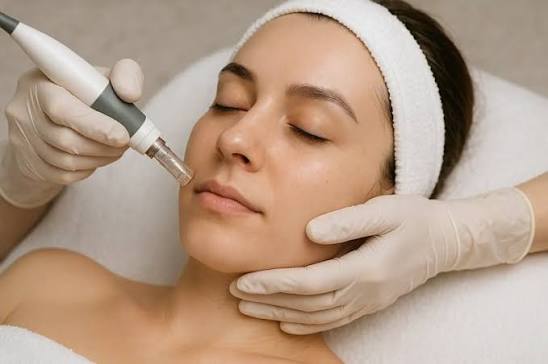
Acne scars can affect skin texture, confidence, and overall appearance long after active acne has cleared. While skincare products may help improve mild discoloration, deeper acne scars often require professional dermatological treatments. One treatment option that has gained attention is microneedling for acne scars.
Microneedling is a minimally invasive procedure that uses fine needles to create controlled micro-injuries in the skin. These tiny punctures stimulate the body’s natural healing response and encourage collagen production, which may help improve the appearance of certain types of acne scars over time.
However, microneedling is not suitable for every scar type or skin condition. Understanding its benefits, possible risks, treatment process, and recovery requirements can help you decide whether it is worth discussing with a qualified dermatologist.
What Is Microneedling for Acne Scars?
Microneedling, also known as collagen induction therapy, is a dermatological procedure designed to stimulate the skin’s natural repair process. A professional uses a specialized device equipped with fine, sterile needles to create controlled micro-injuries at a selected depth.
These micro-injuries trigger a wound-healing response that supports collagen and elastin production. Collagen provides structural support to the skin, while elastin contributes to its flexibility.
For acne scars, this process may gradually improve uneven texture, shallow depressions, and certain types of atrophic scars. Results generally develop over multiple sessions as the skin remodels collagen.
Microneedling can be performed using professional devices in a dermatology clinic. It is also sometimes combined with other treatments, depending on the patient’s skin condition and the dermatologist’s assessment.
Which Types of Acne Scars Can Microneedling Treat?
Not all acne scars respond equally to microneedling. Identifying the scar type is an important step in selecting the right treatment.
1. Rolling Acne Scars
Rolling scars create a wavy or uneven appearance on the skin. They often develop when fibrous bands beneath the skin pull the surface downward.
Microneedling may help improve mild rolling scars by stimulating collagen remodeling. However, scars attached to deeper tissue may require additional procedures, such as subcision, to release the underlying bands.
2. Boxcar Acne Scars
Boxcar scars are depressed scars with relatively defined edges. They can vary in depth and width.
Microneedling may improve the appearance of some shallow boxcar scars by encouraging collagen production. Deeper boxcar scars may respond better to a combination of treatments selected by a dermatologist.
3. Ice Pick Acne Scars
Ice pick scars are narrow, deep depressions that extend into the skin. Because of their depth and shape, they are generally more difficult to treat with microneedling alone.
A dermatologist may recommend other procedures, such as targeted chemical reconstruction techniques or selected laser treatments, depending on the scar characteristics.
4. Post-Acne Dark Spots
Dark marks that remain after acne are often caused by post-inflammatory hyperpigmentation rather than true scars. Microneedling primarily targets skin texture and collagen remodeling, so it may not be the first choice for pigmentation alone.
A dermatologist can distinguish between depressed scars and dark spots and recommend appropriate treatments for each concern.
Benefits of Microneedling for Acne Scars
Microneedling offers several potential benefits for people with suitable types of acne scars.
1. Stimulates Collagen Production
One of the main benefits of microneedling is its ability to stimulate collagen remodeling. Collagen supports the skin’s structure, and increased collagen production may help soften the appearance of depressed acne scars.
Improvements occur gradually as the skin heals and remodels over time.
2. Improves Uneven Skin Texture
Acne scars can leave the skin looking rough, uneven, or pitted. Microneedling may help smooth certain superficial irregularities by encouraging the skin’s natural repair mechanisms.
The degree of improvement depends on scar depth, skin condition, and treatment settings.
3. Minimally Invasive Treatment
Compared with some more intensive resurfacing procedures, microneedling is minimally invasive and typically involves relatively short downtime.
However, the skin still needs time to recover, and temporary redness, swelling, sensitivity, and pinpoint bleeding can occur.
4. May Be Suitable for Various Skin Tones
Microneedling may be considered for people with different skin tones, including darker skin, because it does not rely on laser energy or target pigment in the same way as certain light-based treatments.
Nevertheless, post-inflammatory hyperpigmentation remains possible, particularly if the skin is irritated or the procedure is performed inappropriately. Professional assessment and suitable treatment settings are important.
5. Can Be Combined With Other Acne Scar Treatments
Some acne scars require more than one approach. A dermatologist may recommend microneedling alongside other procedures, such as subcision, chemical peels, or laser resurfacing, when clinically appropriate.
Combination treatments should be planned carefully. Not every procedure should be performed during the same session, and treatment timing depends on skin recovery and individual risks.
How Does Microneedling for Acne Scars Work?
Microneedling works by creating controlled micro-injuries that activate the skin’s natural wound-healing process.
The procedure generally involves the following stages:
Step 1: Skin assessment
A dermatologist examines the acne scars, skin sensitivity, current acne activity, medical history, and any tendency toward pigmentation or abnormal scarring.
Step 2: Skin preparation
The treatment area is cleansed, and a topical numbing cream may be applied to improve comfort. The cream is removed according to the clinician’s instructions before treatment begins.
Step 3: Microneedling procedure
A professional uses a sterile microneedling device to treat the selected areas. The needle depth and treatment technique depend on the scar type and the patient’s skin.
Step 4: Initial healing
The skin may appear red and feel warm or sensitive immediately after treatment. Mild swelling and pinpoint bleeding can also occur.
Step 5: Collagen remodeling
Over the following weeks and months, the skin gradually remodels collagen. Improvements in scar texture may become more noticeable after a series of treatments rather than after a single session.
How Many Microneedling Sessions Are Needed for Acne Scars?
The number of microneedling sessions required depends on the severity of acne scars, their depth, the treatment technique, and how the skin responds.
Some people may notice early changes after a few sessions, while others require a longer treatment plan or a combination of procedures.
Sessions are generally spaced several weeks apart to allow the skin to heal. The exact interval should be determined by the treating dermatologist.
It is important to understand that microneedling cannot guarantee complete scar removal. The goal is usually to improve the appearance of scars, smooth skin texture, and reduce the visibility of depressions.
A qualified dermatologist can recommend an appropriate treatment schedule after examining the skin.
Risks and Side Effects of Microneedling
Although microneedling is commonly performed as a dermatological procedure, it has potential side effects. Proper technique, sterile equipment, and suitable patient selection are essential for reducing complications.
1. Redness and Swelling
Redness, mild swelling, warmth, and sensitivity are common immediately after treatment. These effects usually improve over the first few days, although recovery varies depending on treatment intensity.
2. Skin Irritation and Dryness
The skin barrier may be temporarily disrupted after microneedling. Some people experience tightness, dryness, peeling, or mild discomfort during recovery.
Using gentle skincare products and following the dermatologist’s aftercare instructions can help support healing.
3. Post-Inflammatory Hyperpigmentation
Post-inflammatory hyperpigmentation refers to dark marks that develop after skin inflammation or injury. It can occur in any skin tone but may be more noticeable or persistent in darker skin.
A dermatologist should evaluate the risk of pigmentation before treatment, especially if you have a history of dark marks after acne, irritation, or cosmetic procedures.
4. Infection
Microneedling creates small openings in the skin, which can increase the risk of infection if equipment or treatment conditions are not sterile.
Professional treatment should use appropriate infection-control procedures and sterile, single-use needle cartridges where required.
5. Scarring and Other Complications
Aggressive treatment, inappropriate needle depth, poor technique, or unsuitable skin conditions may lead to prolonged inflammation, scarring, or pigment changes.
People with a history of keloids or abnormal wound healing should discuss these risks before undergoing the procedure.
Who Should Avoid Microneedling for Acne Scars?
Microneedling is not appropriate for everyone. A dermatologist may postpone or advise against treatment in certain situations, including:
- Active acne with inflamed pimples or pustules in the treatment area
- Active skin infections, including certain viral or bacterial infections
- Open wounds, significant skin irritation, or an impaired skin barrier
- A history of keloid formation or abnormal scarring
- Certain skin conditions that may worsen with injury
- Medical conditions or medications that affect healing or increase procedural risks
People with a history of cold sores, bleeding disorders, immune system problems, or poor wound healing should disclose this information during consultation.
If you use prescription acne medication, including isotretinoin, discuss the timing and safety of microneedling with your dermatologist. Recommendations depend on the medication, the planned procedure, and your individual circumstances.
Avoid performing microneedling over active inflammatory acne without professional guidance, as it can aggravate inflammation and potentially spread infection.
Microneedling Recovery: What to Expect
Recovery after microneedling depends on the treatment depth, technique, and individual skin response. Understanding the healing process can help you care for your skin appropriately.
First 24 Hours
Your skin may look red, feel warm, or appear similar to a mild sunburn. Mild swelling and sensitivity are also possible.
During this period:
- Follow your dermatologist’s cleansing instructions.
- Use only recommended, gentle skincare products.
- Avoid scrubbing or rubbing the treated area.
- Do not apply harsh exfoliants or irritating active ingredients unless instructed otherwise.
- Avoid makeup until your clinician confirms that it is appropriate to resume.
Days 2–3
Redness and sensitivity often begin to settle, although some people experience dryness, tightness, or mild flaking.
Continue using gentle skincare and avoid picking at peeling skin. Do not use exfoliating brushes, strong acids, or retinoids until your dermatologist advises that your skin has recovered sufficiently.
Days 4–7
Many people experience substantial improvement in redness within several days, although recovery can take longer after more intensive treatments.
Continue protecting your skin from direct sunlight. Use a broad-spectrum sunscreen when your skin can tolerate it, following your dermatologist’s instructions.
Avoid swimming, saunas, and activities that expose healing skin to potentially irritating conditions until it has recovered sufficiently.
Following Weeks
The visible signs of treatment generally settle before collagen remodeling is complete. Improvements in acne scars develop gradually over several weeks and may continue for months.
Follow-up appointments allow your dermatologist to assess your response and determine when another session, if needed, can be performed safely.
Seek medical advice if you develop increasing pain, worsening redness, spreading warmth, pus, fever, or other signs of infection.
Microneedling Aftercare Tips for Better Healing
Proper aftercare helps protect the skin barrier and reduce the risk of complications.
Keep your skincare routine simple. Use a gentle cleanser and a suitable moisturizer recommended for your skin.
Protect your skin from the sun. Sun exposure can aggravate irritation and contribute to pigmentation. Use appropriate sun protection and follow your dermatologist’s recommendations.
Avoid harsh skincare ingredients temporarily. Retinoids, exfoliating acids, and other potentially irritating products may need to be paused until the skin has recovered.
Do not pick or scratch the skin. Allow dryness and mild peeling to resolve naturally.
Avoid home microneedling devices. Unsupervised devices can cause injury, infection, and pigment changes, particularly when used at excessive depths or without proper hygiene.
Follow your treatment provider’s instructions. Aftercare requirements may differ depending on the device, treatment intensity, and your skin condition.
Microneedling vs. Other Acne Scar Treatments
Microneedling is one of several options for improving acne scars. The most suitable treatment depends on the type of scar, its depth, skin tone, and the presence of active acne or pigmentation.
1. Microneedling vs. Laser Treatment
Microneedling stimulates collagen through controlled mechanical injury, while laser treatments use specific types of light energy to target skin structures or resurface the skin.
Some laser procedures can provide substantial improvement in selected scars but may involve different downtime and pigmentation risks. The appropriate option depends on the laser technology and individual skin characteristics.
2. Microneedling vs. Chemical Peels
Chemical peels use selected chemical solutions to exfoliate the skin at controlled depths. They may be useful for certain superficial acne marks, uneven tone, and texture concerns.
Microneedling is generally directed more toward collagen remodeling and depressed acne scars, while chemical peels may be more appropriate for some pigmentation concerns. Neither treatment is universally better for every patient.
3. Microneedling vs. Subcision
Subcision is a procedure used to release fibrous bands that pull certain depressed scars downward. It may be particularly useful for tethered rolling scars.
Microneedling does not directly release these bands, so subcision or a combination approach may be recommended for selected scar types.
A dermatologist can explain the benefits, limitations, and risks of each treatment before recommending a personalized plan.
Is Microneedling Worth It for Acne Scars?
Microneedling may be worth considering if you have shallow or moderate atrophic acne scars and want to improve uneven skin texture through a minimally invasive procedure.
However, results vary, and deep ice pick scars, tethered rolling scars, and certain other scar types may require different or combined treatments.
The best approach begins with a professional assessment of your skin. A dermatologist can identify the scar type, explain realistic outcomes, evaluate the risk of pigmentation, and recommend an appropriate treatment plan.
Avoid choosing a procedure solely because it is popular or advertised as suitable for all skin types.
Also Read: What Factors Affect the Results of Skin Treatments?
Conclusion
Microneedling for acne scars can help improve certain depressed scars and uneven skin texture by stimulating collagen remodeling. Its potential benefits include gradual textural improvement, relatively limited downtime compared with some intensive resurfacing procedures, and suitability for selected patients with different skin tones.
However, microneedling also carries risks, including irritation, infection, pigment changes, and scarring. It may not be the most appropriate treatment for deep scars or active inflammatory acne.
If you are considering microneedling, consult a qualified dermatologist to determine whether the procedure suits your skin and what results you can realistically expect. A personalized treatment plan, proper aftercare, and patience during recovery are essential for achieving the best possible outcome.