
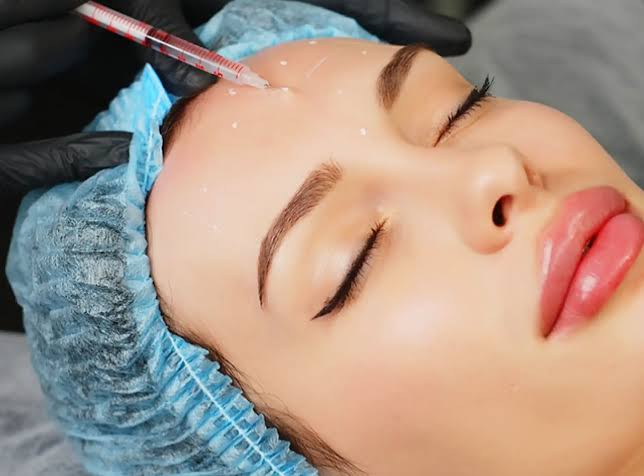
Professional skin treatments can help improve concerns such as acne, pigmentation, uneven skin tone, dullness, fine lines, acne scars, and uneven texture. However, the results are not the same for everyone. Two people may receive a similar treatment and experience different outcomes.
This does not necessarily mean that a treatment is ineffective. Skin responds differently depending on several factors, including the type of concern, skin condition, treatment selected, lifestyle, aftercare, and individual skin characteristics.
Understanding these factors can help you develop more realistic expectations and take better care of your skin before and after treatment.
What Are Skin Treatments?
Skin treatments include a wide range of professional procedures designed to address specific skin concerns. Depending on the treatment and the patient’s needs, options may include chemical peels, HydraFacial, microneedling, laser treatments, carbon laser peels, medi-facials, and other dermatological procedures.
Different treatments work in different ways. Some focus mainly on exfoliation and improving skin brightness, while others target pigmentation, acne scars, collagen production, or skin texture.
Because every skin concern is different, choosing the right treatment is an important part of achieving good results.
1. Your Skin Type Can Affect Treatment Results
Your natural skin type can influence how your skin responds to professional treatments.
Common skin types include:
- Oily skin
- Dry skin
- Combination skin
- Normal skin
- Sensitive skin
For example, someone with oily and acne-prone skin may need a different treatment approach from someone with dry or sensitive skin.
A treatment that works well for one person may not be appropriate for another. This is why professional skin assessment can be useful before beginning treatment.
2. The Specific Skin Concern Matters
Not every treatment is designed to address every skin problem.
For example, the approach for acne may differ from the approach for pigmentation or acne scars. Similarly, improving dullness may require a different treatment strategy than addressing deeper textural concerns.
The cause, severity, duration, and type of the concern can all influence the outcome.
A professional assessment can help determine whether a particular treatment is suitable for your concern.
3. Choosing the Right Skin Treatment
One of the biggest factors affecting results is selecting the right treatment for the problem you want to address.
For example:
- Chemical peels may be used for certain concerns involving skin texture, acne, or pigmentation.
- Microneedling is commonly used as part of treatment plans for certain textural concerns and acne scars.
- HydraFacial focuses on cleansing, exfoliation, extraction, and hydration.
- Laser treatments can target specific concerns depending on the type of laser used.
- Carbon laser treatments may be used for concerns such as excess oil and uneven skin appearance.
The same treatment may also be performed differently depending on the patient’s skin and goals.
4. Severity of the Skin Problem
The severity of a concern can influence how quickly you notice improvement.
A person with mild uneven skin tone may notice changes sooner than someone with long-standing or more pronounced pigmentation.
Similarly, superficial skin concerns may respond differently from deeper scars or persistent conditions.
This is why it is important to understand that professional skin treatments are not always a one-session solution.
5. Number of Treatment Sessions
Many professional skin treatments require multiple sessions to achieve noticeable or longer-lasting improvement.
The number of sessions depends on factors such as:
- The treatment being used
- Skin condition
- Severity of the concern
- Individual response
- Treatment goals
- Time between sessions
Your dermatologist or skincare professional can recommend an appropriate treatment schedule based on your skin.
Avoid assuming that having more frequent treatments will automatically produce faster results. Skin needs adequate time to recover between certain procedures.
6. Your Age Can Influence Skin Recovery
Skin changes naturally with age.
As people get older, processes such as collagen production and skin cell turnover can change. These differences may influence how quickly the skin recovers and how it responds to treatments.
However, age alone does not determine whether a treatment will work.
Your overall skin health, treatment type, lifestyle, and individual characteristics are also important.
7. Your Skin’s Natural Healing Response
Every person’s skin has a different healing and recovery process.
Some people may experience temporary redness or sensitivity after a procedure, while others may recover more quickly.
Treatments that stimulate skin renewal or collagen production depend partly on the body’s natural healing response.
Factors such as overall health, skin condition, and aftercare can influence this process.
8. Following Pre-Treatment Instructions
Preparing your skin properly before treatment can also be important.
Depending on the procedure, your dermatologist may recommend avoiding certain skincare products, excessive sun exposure, waxing, or other activities before your appointment.
Pre-treatment instructions vary according to the procedure, so it is important to follow the advice provided by your skincare professional.
Do not start or stop prescription skincare products on your own without discussing them with your dermatologist.
9. Post-Treatment Aftercare
What you do after a skin treatment can have a major impact on the overall experience and recovery.
Aftercare recommendations depend on the procedure, but may include:
- Using gentle skincare products
- Keeping the skin adequately moisturized
- Avoiding unnecessary irritation
- Protecting the skin from sunlight
- Avoiding picking or scratching treated areas
- Following the recommended cleansing routine
- Using sunscreen as advised
Following professional aftercare instructions can help support the skin while it recovers.
10. Sun Exposure
Sun exposure is an important consideration for many skin concerns.
UV exposure can contribute to pigmentation, premature skin aging, and other forms of skin damage. Excessive sun exposure after certain treatments may also increase the risk of irritation or unwanted pigmentation.
Sun protection should therefore be an important part of your skincare routine, particularly after treatments that make the skin more sensitive.
Ask your dermatologist when you can resume your normal skincare and sun-protection routine after a procedure.
11. Your Daily Skincare Routine
Professional treatments work alongside your everyday skincare routine.
Using unsuitable or overly harsh products can irritate the skin and potentially interfere with recovery.
A basic routine may include:
- Gentle cleansing
- Appropriate moisturization
- Sun protection during the day
- Treatment products recommended by your dermatologist
You do not necessarily need a complicated skincare routine. Consistency and choosing products appropriate for your skin can be more important.
12. Lifestyle Habits
Your lifestyle can also influence your skin’s overall appearance.
Factors such as sleep, nutrition, hydration, stress, smoking, and alcohol consumption may affect general skin health.
For example, inadequate sleep and ongoing stress can make it harder to maintain a healthy-looking complexion.
Professional treatments should therefore be viewed as one part of a broader skincare and wellness routine rather than a replacement for healthy habits.
13. Diet and Nutrition
The skin needs adequate nutrients to support normal functions.
A balanced diet containing a variety of foods can contribute to overall health and skin wellness.
However, there is no single food or diet that guarantees better results from a cosmetic skin treatment.
If you have a specific nutritional concern, speak with an appropriately qualified healthcare professional rather than relying on restrictive diets or unproven supplements.
14. Stress and Sleep
Stress and poor sleep can affect overall wellbeing and may also influence how your skin looks and feels.
Long periods of stress can be associated with changes in certain skin conditions, while adequate sleep supports the body’s normal recovery processes.
Maintaining a regular sleep schedule and finding healthy ways to manage stress can complement a professional skincare routine.
15. Consistency Matters
One professional treatment does not necessarily replace ongoing skincare.
Skin concerns can return or develop again because of factors such as sun exposure, hormonal changes, genetics, lifestyle, and aging.
For this reason, maintaining a consistent skincare routine and following your dermatologist’s recommendations can help support your results over time.
16. Hormonal Changes
Hormones can influence several skin concerns, particularly acne and pigmentation.
Hormonal fluctuations may occur during different stages of life and can sometimes affect how the skin responds to treatment.
If you experience persistent or recurring skin concerns despite professional treatment, it may be worth discussing potential underlying factors with a dermatologist.
17. Genetics
Genetics also play a role in skin characteristics.
Your genetic background can influence factors such as:
- Skin aging
- Pigmentation tendencies
- Oil production
- Collagen characteristics
- Certain skin conditions
- Healing patterns
Because genetics cannot be changed through skincare, treatment expectations should be based on your individual skin rather than someone else’s results.
18. Treatment Quality and Professional Expertise
The quality of the treatment and the experience of the professional performing it are also important considerations.
A proper consultation can help determine whether a treatment is suitable for your skin and whether modifications are needed.
Professional treatment should take into account factors such as skin type, existing conditions, previous treatments, medications, and your desired outcome.
Choosing a qualified and experienced skin professional can help reduce the risk of inappropriate treatment.
19. The Products and Equipment Used
The products, devices, and techniques used during a treatment can influence the treatment experience and results.
Different machines, formulations, concentrations, and treatment protocols can produce different outcomes.
For example, “laser treatment” is not one single procedure. Different lasers are designed for different purposes and skin concerns.
Similarly, chemical peels vary in their ingredients and strengths.
This is why asking exactly which treatment is being recommended can be more useful than relying only on a general treatment name.
20. Your Expectations Matter
Having realistic expectations is an important part of any cosmetic treatment.
Professional treatments may improve the appearance of certain concerns, but results can vary.
For example, someone receiving acne scar treatment may experience improvement rather than complete removal of every scar.
Similarly, pigmentation may improve but can sometimes return, particularly when underlying triggers continue.
Your dermatologist should explain what the treatment can realistically achieve.
21. Time Between Treatment and Visible Results
Not every treatment produces immediate results.
Some procedures can make the skin appear brighter or smoother soon after treatment, while treatments that stimulate longer-term changes may take more time.
For example, procedures designed to encourage collagen remodeling may require patience because collagen-related changes develop gradually.
Avoid judging a treatment too quickly. Follow the recommended recovery and review schedule provided by your professional.
22. Combining Different Skin Treatments
Sometimes a dermatologist may recommend a combination of treatments to address different concerns.
For example, someone may have both pigmentation and acne scars, requiring a carefully planned approach rather than relying on a single procedure.
However, combining treatments should always be done under professional guidance.
Using multiple strong treatments too close together can increase irritation and may not improve results.
23. Medical Conditions and Medications
Certain medical conditions and medications can influence whether a particular skin treatment is appropriate.
For example, some medications can make the skin more sensitive or affect healing.
Always tell your dermatologist about:
- Current medications
- Skincare products
- Allergies
- Existing skin conditions
- Previous cosmetic procedures
- Relevant medical history
This information helps the professional determine whether a treatment is appropriate and how it should be performed.
24. Smoking and Alcohol
Smoking can affect overall skin health and is associated with premature skin aging.
Heavy alcohol consumption can also affect overall health and hydration.
If you are investing in professional skin treatments, maintaining healthy lifestyle habits can support your overall skin wellness.
25. Avoiding Common Mistakes After Treatment
Some habits can interfere with recovery.
Common mistakes include:
- Scrubbing the skin aggressively
- Picking at peeling or irritated areas
- Using too many active ingredients
- Spending excessive time in direct sunlight
- Skipping sunscreen
- Applying products not recommended after treatment
- Exercising or sweating heavily when specifically advised to avoid it
- Getting another treatment too soon
Always follow the specific aftercare instructions given for your procedure.
How Can You Improve Your Skin Treatment Results?
While you cannot control every factor, you can take several practical steps to support your treatment journey.
1. Get a Professional Skin Assessment
Start by identifying your actual skin concern rather than choosing a treatment based solely on social media or advertisements.
2. Choose a Treatment Appropriate for Your Skin
Different concerns require different approaches. A professional can help determine which options are suitable.
3. Follow the Recommended Schedule
If multiple sessions are recommended, attend them according to the treatment plan rather than changing the schedule yourself.
4. Follow Aftercare Instructions
Give your skin time to recover and follow the instructions provided by your dermatologist.
5. Protect Your Skin From the Sun
Regular sun protection is particularly important when managing pigmentation, premature aging, and post-treatment sensitivity.
6. Keep Your Skincare Routine Simple
Use products appropriate for your skin and avoid introducing several new active ingredients at once.
7. Be Patient
Some results take time. Give your skin an appropriate recovery period before evaluating the final outcome.
When Should You Speak to a Dermatologist?
Professional advice is particularly important if you have persistent acne, severe pigmentation, unexplained skin changes, recurring irritation, significant scarring, or a skin condition that does not improve with basic skincare.
A dermatologist can assess your skin and determine whether a cosmetic procedure, medical treatment, skincare routine, or combination approach is appropriate.
You should also seek professional advice before undergoing treatments if you have an existing skin condition, take medications that may affect your skin, or are unsure whether a procedure is suitable for you.
Also Read: Medical Skin Treatments vs Home Remedies: Which Is Better?
Final Thoughts
The results of skin treatments depend on much more than the procedure itself. Skin type, the severity of the concern, treatment selection, number of sessions, professional expertise, aftercare, sun exposure, lifestyle, genetics, hormones, and individual healing response can all influence the outcome.
The best approach is to think of professional treatment as part of a complete skincare plan. Choosing the right procedure, following professional instructions, protecting your skin from the sun, maintaining healthy habits, and having realistic expectations can all contribute to a better treatment experience.
Most importantly, every person’s skin is different. A treatment that produces noticeable results for one person may require a different approach or timeline for someone else. A qualified dermatologist or skin professional can help you understand what is realistic for your individual skin and goals.